Welcome to your go-to guide for fresh bathroom renovation ideas tailored for NZ homes. Whether you’re tackling a tired, outdated space or planning a full makeover, this post will help you find smart, stylish ways to upgrade without wasting time or money. Renovating a bathroom in New Zealand comes with its own challenges, like moisture control, older home layouts, and ever-changing design trends, but with the right ideas, you can create a space that’s both practical and beautiful. From budget-friendly upgrades to luxury features, we’ll walk through proven tips and inspiration that work for Kiwi homeowners just like you.
Upgrade your space with smart, stylish changes like walk-in showers, floating vanities, matte black tapware, and water-saving fixtures. Popular NZ trends include natural textures, minimalist designs, and improved ventilation for damp-prone homes. Whether you’re renovating a small bathroom or going full luxury, these ideas boost comfort, function, and home value.
Table of Contents
Why Renovate Your Bathroom?
Renovating your bathroom isn’t just about chasing trends or adding style, it’s often a practical and smart decision, especially for homeowners in New Zealand. A well-planned bathroom upgrade can solve everyday problems, add comfort, and even increase your property’s value. Whether you’re working with a small space or an outdated layout, here’s why investing in a bathroom renovation is worth it.
Boost Home Value And Comfort
A modern, updated bathroom is a major selling point for any home. It signals that the property is well-maintained and functional, which buyers appreciate. Even if you’re not planning to sell right now, a comfortable, stylish bathroom adds value to your daily life. New fixtures, better lighting, and a fresh design can turn a once-dull room into a space you actually enjoy using every day.
Adapt To Changing Needs
Your bathroom should grow with your lifestyle. Maybe your family is expanding, and you need more storage or a safer layout for kids. Or perhaps you’re thinking long-term and want a space that’s more accessible as you age. Renovating gives you the flexibility to make your bathroom work better for your current and future needs, whether that means a walk-in shower, extra vanity space, or better lighting.
Improve Water Efficiency, Lighting, And Layout
Older bathrooms often waste water and energy without you even realizing it. Renovating gives you the chance to install low-flow taps, dual-flush toilets, and LED lighting. These upgrades reduce your utility bills and help the environment. A smart layout update can also make your daily routines easier by improving the flow and functionality of the space. You might reposition your shower, add extra storage, or create more usable counter space.
NZ-Specific Factors: Older Homes, Leaky Homes, Damp Issues
Many homes in New Zealand, especially those built before the 2000s, struggle with moisture problems. Leaky homes and poor ventilation are common issues that lead to mould, damage, and discomfort. A bathroom renovation lets you address these problems head-on. By improving ventilation, waterproofing, and insulation, you create a healthier and more durable space that stands up to NZ’s climate. This is not just a cosmetic fix, it’s about protecting your home and your health.
Renovating your bathroom in NZ is more than just a design project. It’s about comfort, safety, and future-proofing your home. Whether you’re fixing moisture issues or just upgrading the style, it’s a change that pays off in more ways than one.
Key Questions To Ask Before You Start
Planning a bathroom renovation can get overwhelming fast. Before you pick tiles or start knocking down walls, it’s important to ask the right questions. These early decisions shape your entire project, from budget and layout to who you hire and how much time it takes. Here’s what every NZ homeowner should think through before diving in.
What’s Your Total Budget?
This is the first and most important question. Be honest about how much you’re willing, and able, to spend. A basic cosmetic upgrade might cost around $5,000 to $10,000, while a mid-range renovation can hit $15,000 to $25,000. High-end bathroom makeovers often go well beyond $30,000, especially if you’re moving plumbing or installing luxury features.
Don’t forget to include extra costs like permits, labour, unexpected repairs, or material delays. Add a buffer of 10–20% for surprises, because they almost always happen.
Are You Doing A Full Or Partial Reno?
Decide whether you’re going all-in or just making a few upgrades. A full renovation might include replacing flooring, plumbing, fixtures, and layout changes. A partial renovation could be as simple as swapping tapware, repainting tiles, or installing a new vanity.
Knowing this early helps you set realistic goals, avoid overspending, and plan your timeline better.
Who Is Using The Bathroom, Kids, Guests, Elderly?
Design should match the needs of the people using the space. If it’s a family bathroom, you’ll want easy-to-clean surfaces and durable fittings. For guests, go for visual appeal and comfort. If older adults or anyone with limited mobility will be using the space, consider slip-resistant flooring, grab bars, walk-in showers, and wider doorways.
This makes your renovation more functional and future-proof.
Do You Need Council Consent In NZ?
Not every bathroom project needs council approval, but many do, especially if you’re moving plumbing, adding ventilation, or changing the structure. In New Zealand, building consent may be required under the Building Act.
Before starting, check with your local council or consult a licensed building practitioner. Getting this wrong can delay your project or lead to costly rework later.
Will You DIY, Hire A Tradie, Or Work With A Bathroom Renovation Company?
Some homeowners like the challenge of doing it themselves, especially for painting or design work. But electrical, plumbing, and waterproofing must be handled by qualified professionals in NZ. If you’re unsure, get quotes from trusted tradies or renovation companies.
Each option affects your budget, quality, and how long the project takes. A full-service bathroom renovation company may cost more upfront but can save you time and reduce stress, especially when dealing with compliance and scheduling trades.
Small Bathroom, Big Impact: Space-Saving Renovation Ideas
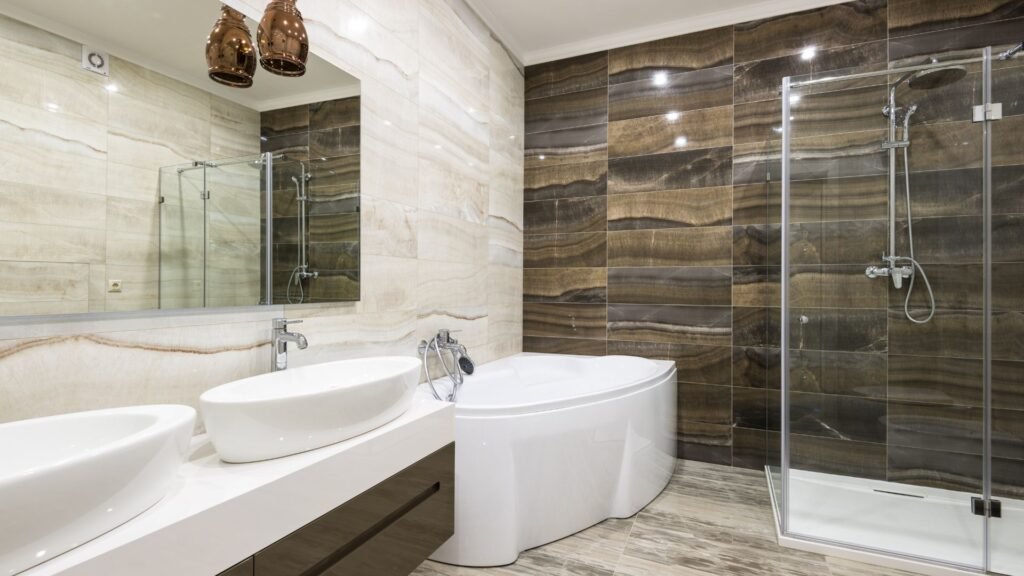
Renovating a small bathroom in New Zealand doesn’t mean you have to compromise on style or function. With the right design choices, even the tightest spaces can feel open, modern, and easy to use. Many Kiwi homes, especially older villas and townhouses, have compact bathrooms, but a smart layout and a few practical updates can make a big difference.
Here are some of the most effective space-saving renovation ideas that work well in NZ homes.
Wall-Mounted Vanities And Toilets
Wall-mounted vanities are a smart choice for small bathrooms because they free up floor space and make the room look less crowded. By lifting the vanity off the floor, you create the illusion of a larger space while also making cleaning easier. Wall-hung toilets serve the same purpose. The hidden cistern and floating bowl keep the design sleek and open, which is perfect for tight areas.
Many New Zealand bathroom suppliers offer compact, wall-mounted options designed specifically for small bathrooms, so you won’t struggle to find something that fits your layout.
Corner Sinks And Compact Tubs
If your bathroom is narrow or has an awkward layout, consider using corner sinks. These fit neatly into underutilized areas and open up more space for movement. They’re especially useful in ensuites or half-bathrooms where space is at a premium.
Compact bathtubs are another great option for smaller spaces. Shorter in length but deeper in depth, they still offer a comfortable soak without taking up the entire room. Look for tubs around 1200mm–1400mm long, perfect for NZ homes with limited space.
Sliding Doors Or Bi-Folds To Save Space
Traditional swinging doors take up a lot of room, which can make a small bathroom feel even more cramped. Replacing them with sliding doors or bi-folds is a simple but effective change.
Pocket doors that slide into the wall are especially helpful if you’re starting a renovation from scratch. If you’re retrofitting an existing door, consider a surface-mounted sliding door. For showers, frameless sliding glass panels are clean, space-saving, and modern.
Light Colours, Mirrors, And Glass To Create Openness
Colour and light play a huge role in how big or small a space feels. Stick with light shades like white, beige, or soft grey to make the room feel more open. If you’re keen on colour, add it through accessories or feature tiles rather than painting the entire room dark.
Mirrors are another must-have in small bathrooms. A large mirror above the vanity can double the visual space instantly. Consider backlit mirrors for a modern look that adds both function and ambiance.
Glass shower panels, especially frameless designs, also help keep sightlines open and prevent the bathroom from feeling boxed in.
Recessed Shelves Instead Of Bulky Cabinets
Storage is a must in any bathroom, but bulky cabinetry can overwhelm a small space. Recessed shelves built into the wall are a clean, practical solution. They provide room for storing toiletries, towels, and decor without jutting into the usable space.
You can add recessed shelving in the shower, above the toilet, or next to the vanity. For Kiwi homes undergoing full renovations, it’s easy to frame out this type of shelving without losing structural integrity.
Space-saving doesn’t mean cutting corners. With a few strategic updates, you can turn a cramped bathroom into a well-designed, functional space that adds value to your NZ home. Whether you’re working with a tight budget or going for a full-scale renovation, these ideas are practical, stylish, and made to suit local homes.
Bathroom Design Trends In NZ
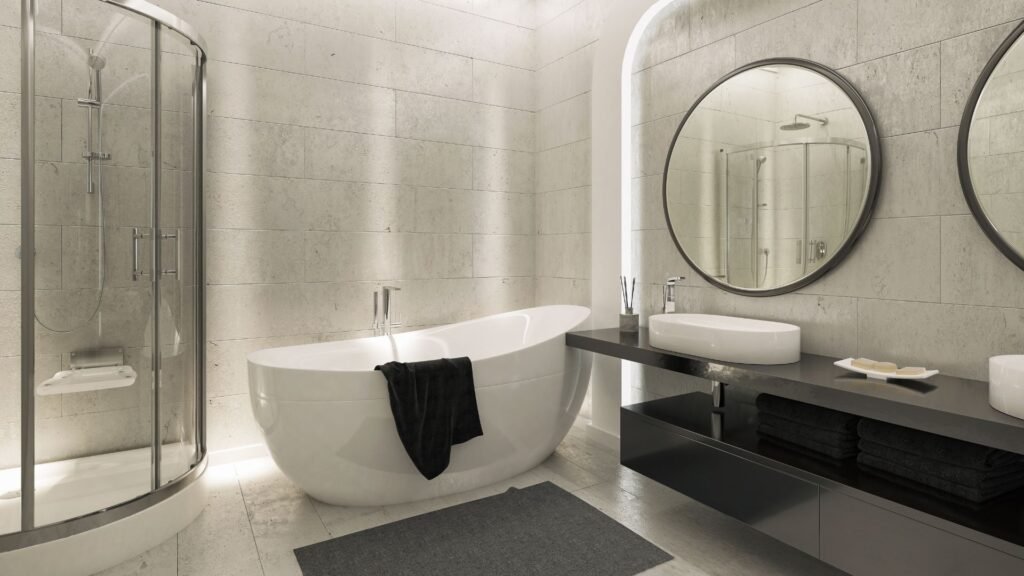
New Zealand bathrooms are moving beyond plain tiles and basic white fixtures. Homeowners are now leaning into design trends that make bathrooms feel like a personal retreat, not just a functional space. From earthy palettes to sleek, frameless glass, today’s NZ bathrooms are all about style, practicality, and comfort. Below are some of the top design features showing up in Kiwi homes right now.
Earthy Tones And Natural Textures
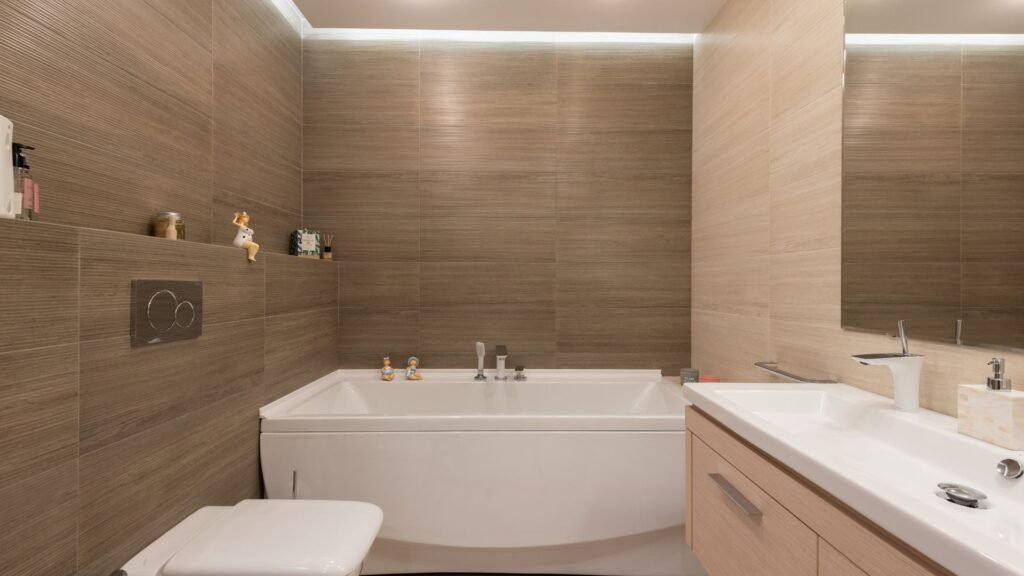
Earth-inspired colours like warm beige, olive green, clay, and soft browns are replacing cold greys and sterile whites. These tones bring warmth and a sense of calm, perfect for relaxing at the start or end of your day. Pairing these colours with textured finishes, like stone basins, timber accents, or matte tiles, adds depth and character.
Kiwis are also incorporating natural materials like bamboo, teak, and light oak to reflect the outdoor lifestyle many love. These textures not only look good but also create a spa-like feel that’s timeless and soothing.
Matte Black Fixtures And Tapware
Matte black has quickly become a favourite across New Zealand bathrooms. It’s bold without being too flashy and adds a clean, modern edge to any space. Whether it’s a black showerhead, towel rail, or tap, this finish works beautifully with both neutral and bold tile choices.
It’s also practical. Matte finishes resist fingerprints and water spots better than polished chrome, making cleaning easier. For the best look, coordinate matte black across fittings like tapware, shower frames, handles, and even drains.
Wet Rooms And Walk-In Showers
Open-plan bathrooms are gaining popularity, especially in modern NZ homes and renovations. Wet rooms and walk-in showers remove barriers like bulky glass doors or shower cubicles, creating a more spacious and luxurious feel.
These layouts are ideal for smaller bathrooms, as they eliminate the need for separate wet and dry zones. With proper waterproofing and drainage, a walk-in shower can be both functional and beautiful. Many homeowners opt for tiled floors that continue into the shower area for a seamless look.
Timber Vanities And Floating Shelves
Timber brings warmth and contrast to the clean surfaces found in most bathrooms. A timber vanity, whether in light oak, walnut, or reclaimed wood, can instantly add visual appeal and balance to your space.
Floating vanities are also a top choice. They open up floor space, making the room feel bigger and less cluttered. Floating timber shelves, often used for towels or display items, add a personal touch without crowding the space.
Frameless Glass And Minimalist Design
Frameless glass is a go-to for walk-in showers, and it’s easy to see why. It allows more light to flow through the space, makes the bathroom feel larger, and offers a clean, modern aesthetic.
Minimalist design continues to dominate NZ bathrooms, think clean lines, hidden storage, and fewer distractions. Instead of packing the room with features, the focus is on what’s essential: comfort, flow, and quality. Less is more, especially in smaller bathrooms or homes with open layouts.
These bathroom design trends in NZ aren’t just about following what’s popular, they reflect a shift toward smarter, more thoughtful living. Whether you’re planning a full renovation or small updates, these ideas can help turn your bathroom into a space that works better and feels better.
Budget-Friendly Bathroom Upgrades
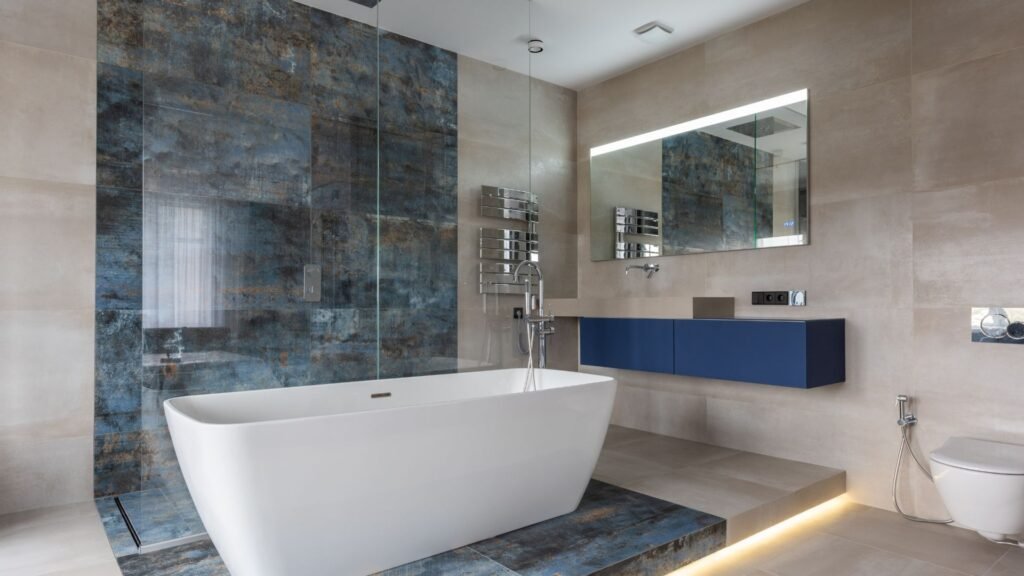
Renovating your bathroom doesn’t always mean tearing everything down or spending thousands. Sometimes, a few smart, affordable upgrades can completely refresh the space. Whether you’re preparing your home for resale or just want a more modern, comfortable bathroom, these simple updates can make a big difference, without blowing your budget. Below are practical, cost-effective bathroom upgrades that work especially well in New Zealand homes.
Update Tapware And Fittings
One of the easiest ways to give your bathroom a fresh new look is by replacing old tapware and fittings. Swapping out dated chrome taps with matte black, brushed nickel, or brass fixtures instantly modernises the space. Look for New Zealand-compliant water-saving options, and consider changing both basin and shower tapware for a consistent finish. You don’t need to move plumbing, just replace what’s already there.
Add LED Mirrors Or Backlit Mirrors
Lighting can dramatically change how your bathroom feels. Installing an LED or backlit mirror not only provides better illumination but also adds a stylish, hotel-like vibe. These mirrors are energy-efficient, low-maintenance, and perfect for applying makeup or shaving. Many models come with anti-fog features, which is ideal for NZ’s colder months.
Paint Tiles With Waterproof Tile Paint
Tiling a bathroom can get expensive fast. A great alternative is to paint over existing tiles using waterproof tile paint. It’s a budget-friendly option that can make dated tiles look fresh and clean again. Stick with light colours to make smaller bathrooms feel more spacious. Just make sure you properly clean and prep the tiles beforehand for long-lasting results.
Replace Old Lights With Modern Downlights
Old fluorescent lights or yellow bulbs can make your bathroom feel dark and outdated. Installing modern LED downlights will brighten up the space, reduce energy use, and make the room feel larger. Downlights are also moisture-resistant and available in various colour temperatures, go with cool white for a clean, crisp look.
Swap Shower Curtains For Sleek Glass Panels
Shower curtains can make a bathroom feel cramped and messy. Replacing them with a fixed or sliding glass panel not only opens up the space visually but also helps keep water where it belongs. Glass panels are easier to clean, look more premium, and suit both small and large bathrooms. If you’re renting or on a tight budget, there are frameless glass options that are surprisingly affordable.
Install A New Vanity Without Moving Plumbing
Replacing your old vanity is a smart way to modernise your bathroom while improving storage. The key to saving money is not moving the plumbing. Choose a new vanity that matches the existing pipe placement, this avoids extra labour costs. Look for floating or wall-hung vanities to create the illusion of more space, and go for moisture-resistant materials suited for NZ’s humid conditions.
These simple updates don’t require a full renovation, but they still deliver noticeable improvements. By focusing on cosmetic upgrades that don’t involve structural changes or plumbing relocations, you keep costs down and results high. Whether you’re in a city apartment or a coastal Kiwi bach, these bathroom upgrades are worth every dollar.
Mid-Range Renovation Ideas For Better Function And Style
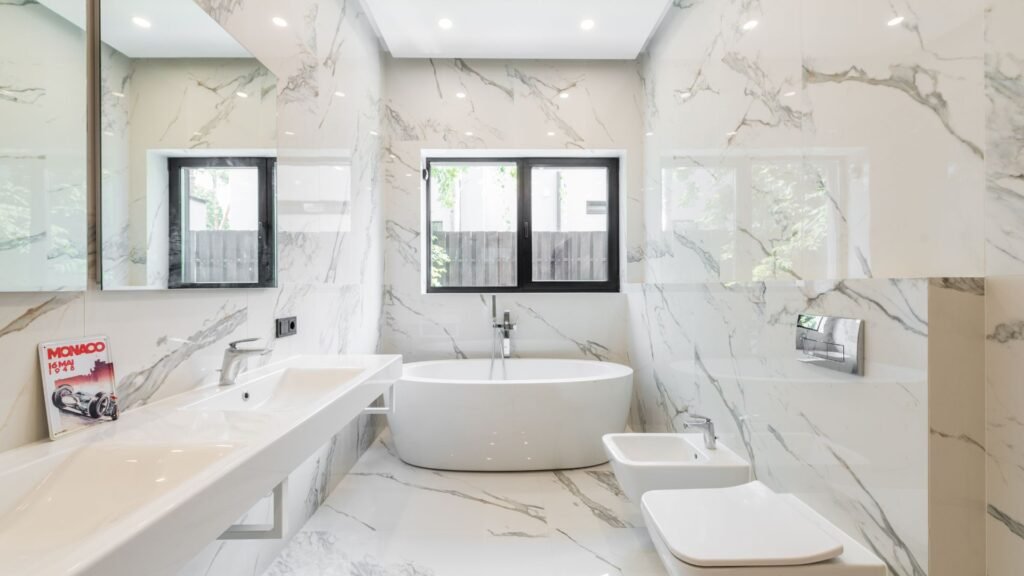
Renovating your bathroom doesn’t always mean tearing everything out and starting from scratch. With a mid-range budget, you can achieve noticeable improvements in both style and functionality, without overspending. These upgrades are ideal for homeowners who want a more modern, comfortable, and practical bathroom, but still want to keep costs reasonable.
Below are some smart, practical renovation ideas that strike the right balance between cost and impact, especially suited for New Zealand homes dealing with cold winters, limited space, and older plumbing systems.
Replace Old Tiles With Subway Or Patterned Tiles
Tiling is one of the most visible design elements in any bathroom. If your current tiles are outdated, stained, or cracked, replacing them with subway tiles or patterned tiles can instantly refresh the space. Subway tiles offer a clean, timeless look that fits with both traditional and modern NZ homes. Patterned tiles, on the other hand, add personality and visual interest, great for feature walls or floors. Choose non-slip options if you’re tiling the floor.
Convert Bath-Shower Combos To Walk-In Showers
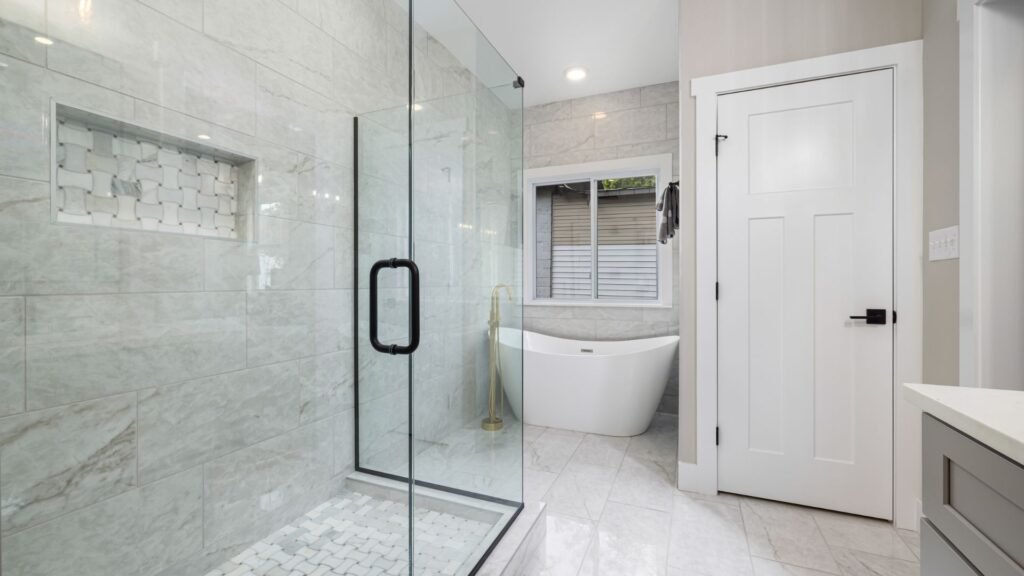
Bath-shower combos are common in older NZ homes, but they often feel cramped and awkward. Converting them into walk-in showers can make the space feel larger and more modern. Frameless glass panels create a seamless look, and tiled showers with recessed niches for toiletries improve convenience. This change also improves accessibility and reduces the hassle of stepping over a high tub edge, ideal for growing families or aging homeowners.
Add Underfloor Heating For Cold NZ Winters
New Zealand winters can be brutally cold, especially in regions like the South Island or Wellington. Traditional bathroom floors, usually tiled, can become freezing, making mornings uncomfortable. Underfloor heating adds luxury and practicality by keeping the floors warm and drying out moisture faster. It’s energy-efficient, easy to control with modern thermostats, and helps reduce mould buildup in damp areas.
Install A Freestanding Bath If Space Allows
A freestanding bath can transform your bathroom from ordinary to high-end without a full overhaul. These baths work well as a statement feature, giving the room a spa-like feel. They’re available in a range of sizes and styles to fit different layouts. If you have the space, placing one near a large window or under a skylight can turn daily baths into a relaxing ritual. Just be sure your floor can support the weight, especially in older homes.
Improve Ventilation With Better Extractor Fans
Good ventilation is essential in every NZ bathroom to combat humidity, condensation, and mould. If you’re still relying on a noisy, outdated fan, or worse, none at all, it’s time to upgrade. Look for quiet, energy-efficient extractor fans that automatically switch on with humidity sensors. This helps extend the life of your paint, grout, cabinetry, and even your mirror. Proper airflow also keeps the space smelling fresh and cuts down on future maintenance costs.
These mid-range renovation ideas offer high returns in both comfort and appearance. You don’t have to spend a fortune to make your bathroom feel brand new. By focusing on functional improvements and subtle design upgrades, you’ll create a space that works better, looks cleaner, and feels more relaxing, perfect for the everyday Kiwi lifestyle.
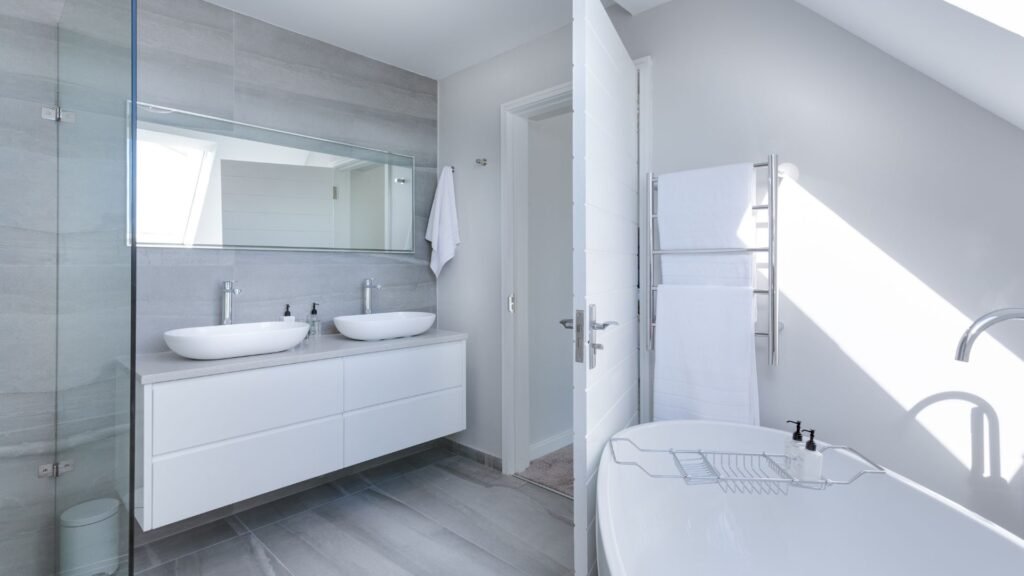
High-End Features For A Luxury Bathroom
Creating a luxury bathroom isn’t just about spending more, it’s about adding comfort, function, and style that feels like a daily indulgence. If you’re planning a top-tier bathroom renovation in NZ, these high-end features can turn an ordinary space into a relaxing retreat you’ll actually enjoy using.
Double Vanities And Backlit Mirrors
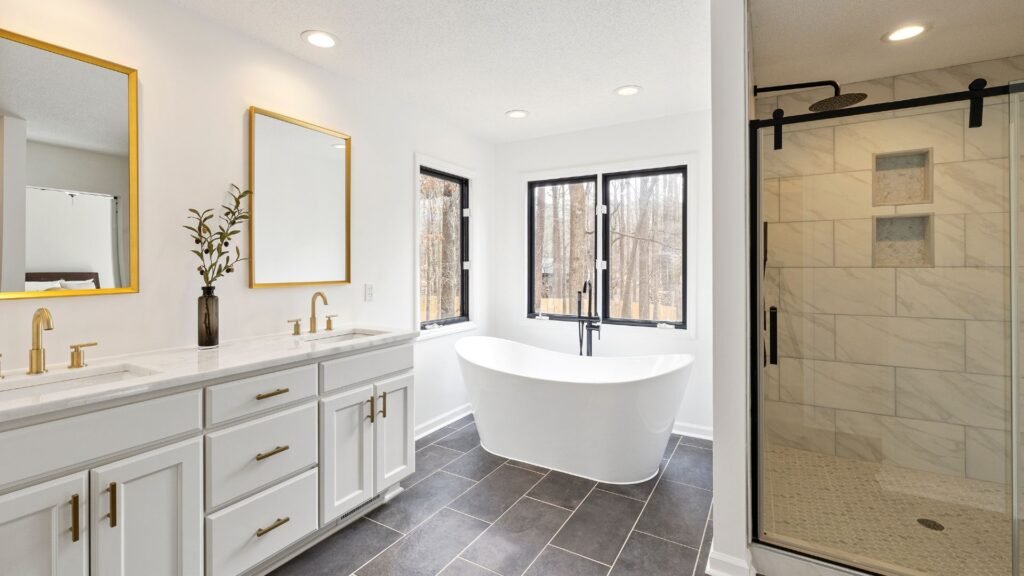
Double vanities are ideal for busy couples or families. They create personal space for morning routines and reduce clutter by offering more storage. In New Zealand homes, especially those with only one main bathroom, a double vanity can dramatically improve usability. Pair it with a backlit mirror to elevate the look and add practical lighting for grooming. These mirrors offer soft, shadow-free light and a modern aesthetic that fits well with both classic and contemporary styles.
Walk-In Rain Showers With Body Jets
Walk-in rain showers are becoming a must-have in premium bathroom designs. They offer an open, spa-like experience while also making the bathroom feel larger. Add body jets for an extra level of comfort and full-body water coverage. In NZ, where colder months are long, this feature brings year-round comfort and luxury. Go for frameless glass panels to keep the design sleek and modern.
Heated Towel Rails And Built-In Towel Storage
Nothing beats the comfort of a warm towel after a shower, especially in a cooler climate like New Zealand’s. Heated towel rails are energy-efficient and can double as space heaters in small bathrooms. Built-in towel storage helps maintain a clean, organized look, no more cluttered baskets or awkward shelves. This combo makes your bathroom not just more luxurious, but also more functional.
Custom Cabinetry With Soft-Close Drawers
Off-the-shelf vanities can’t always meet your space or storage needs. That’s where custom cabinetry comes in. You can design drawers and cupboards to fit your bathroom layout perfectly. Soft-close drawers add a premium touch and keep things quiet, especially in early mornings or late nights. Custom cabinetry also lets you choose materials that match the rest of your home for a seamless look.
Natural Stone Or Engineered Stone Finishes
Stone finishes instantly signal high quality. Natural options like marble or granite offer one-of-a-kind patterns and a timeless appearance. Engineered stone gives you durability and consistency in look without the maintenance needs of natural stone. Both work well with underfloor heating, which is great for NZ homes where winters can be damp and chilly. Use stone for vanity tops, wall features, or even flooring to create a rich, cohesive space.
Smart Toilets And Sensor Lighting
Technology is playing a growing role in modern bathrooms. Smart toilets offer features like heated seats, built-in bidets, automatic lids, and self-cleaning functions. They’re more hygienic and ideal for aging family members or anyone seeking a more comfortable experience. Sensor lighting adds both convenience and efficiency. Lights turn on automatically when you enter, making late-night trips easier and safer. You can also set them to dim, adding a relaxing vibe.
Adding these high-end features doesn’t just improve how your bathroom looks, it changes how it feels to use it every day. If you’re investing in a full renovation, these upgrades can boost your home’s resale value while giving you the comfort and elegance you’re after. Whether you’re renovating a master ensuite or a shared family space, luxury is all about thoughtful, people-first design choices.
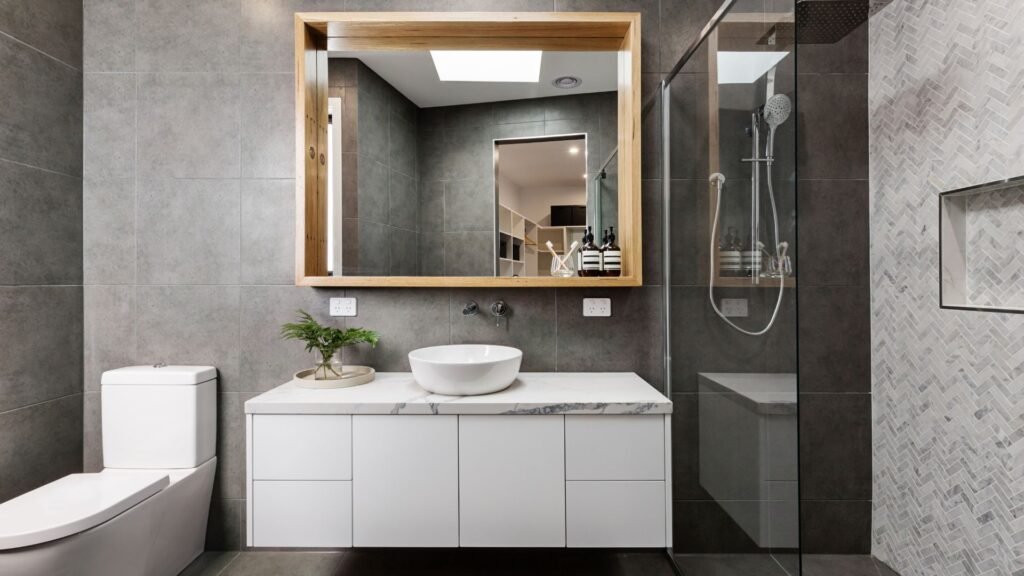
Eco-Friendly And Water-Saving Renovation Tips
Making your bathroom more eco-friendly doesn’t mean compromising on style or comfort. In fact, sustainable renovations can help you lower water and power bills, reduce your environmental footprint, and add long-term value to your home. With New Zealand’s increasing focus on sustainability and smart living, incorporating green choices into your bathroom renovation is both practical and future-proof. Here’s how you can do it the right way.
Install Dual-Flush Toilets And Low-Flow Taps
One of the easiest ways to reduce water use in your bathroom is by upgrading to dual-flush toilets and low-flow taps. A dual-flush system lets you choose between a half or full flush, saving litres of water each day. Low-flow tapware, especially models with aerators, reduces water flow without affecting pressure. Look for WELS (Water Efficiency Labelling Scheme) ratings when choosing products in NZ.
Choose NZ-Made, Sustainable Materials
Supporting locals is a smart choice. NZ-made materials often have lower transport emissions and are designed for our climate. Look for vanities, tiles, and cabinetry made from sustainable sources or recycled content. Products made with bamboo, recycled glass, or natural stone can also offer style without harm. You reduce your carbon footprint while boosting the bathroom’s appeal.
Improve Insulation And Energy-Efficient Lighting
Bathroom insulation is often overlooked but makes a real difference in reducing energy loss. Good wall, ceiling, and underfloor insulation helps maintain warmth, especially during NZ’s colder months. Pair this with LED lighting or motion-sensor fixtures to lower electricity use. LEDs last longer and consume far less power than traditional bulbs.
Consider Solar Hot Water Systems Or Timers
Heating water accounts for a major portion of home energy use. Installing a solar hot water system can significantly cut electricity bills over time. If that’s not feasible, consider adding a timer to your water heater to reduce power use during off-peak hours. Even switching to a more energy-efficient water heater can bring solid long-term savings.
Use FSC-Certified Timber And VOC-Free Paint
When choosing wood products for your vanity, shelving, or trims, go for FSC-certified timber. This guarantees the wood was sourced from responsibly managed forests. Also, avoid paints that contain volatile organic compounds (VOCs). These release harmful chemicals into the air, affecting indoor air quality. Opt for low- or zero-VOC paints that are safer for your family and the environment.
Making these small but meaningful changes not only creates a healthier, more efficient bathroom, it also shows your commitment to a better future. Whether you’re renovating for resale or your own comfort, eco-friendly upgrades are worth every dollar. Plus, with more Kiwi homeowners going green, you’re staying ahead of the curve.
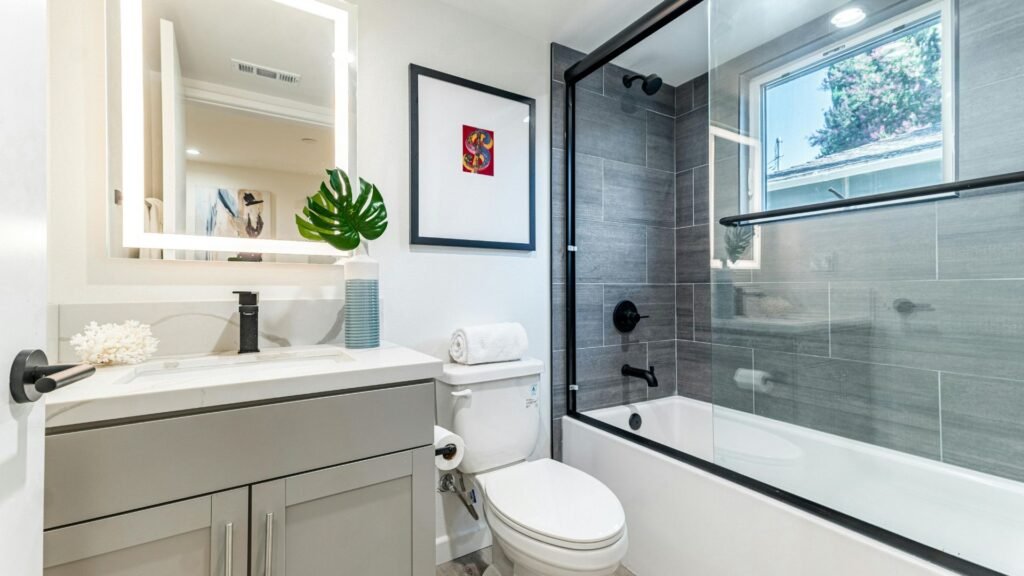
Mistakes To Avoid During A Bathroom Renovation
Renovating your bathroom can boost your home’s comfort, function, and value, but only if it’s done right. Many homeowners in New Zealand make costly mistakes that can lead to damp issues, budget blowouts, or even failed inspections. Before you start ripping out tiles or shopping for vanities, take a step back and learn what not to do. These common errors can set your project back or cause long-term headaches if ignored.
Ignoring Ventilation Or Moisture Issues
Moisture is a major problem in many NZ homes, especially in older properties or areas with poor insulation. Bathrooms without proper ventilation quickly become breeding grounds for mould, mildew, and damp walls. This not only damages paint, grout, and cabinetry, it can also affect your health.
Always install a powerful, quiet extractor fan. It should vent outside, not just into the ceiling cavity. If possible, consider adding a window or upgrading existing ones to allow better airflow. Proper ventilation also helps protect your renovation investment in the long run.
Overspending On Design Without Fixing Plumbing
Stylish tiles and modern vanities might make your bathroom look good, but if your pipes are old, leaky, or incorrectly laid out, you’ll run into problems fast. Many NZ homeowners get caught up in the look and forget the function.
Before finalizing the design, check the plumbing layout. Are the water lines where they should be? Do the drains need replacing? Is the water pressure adequate? Invest in these basics before spending thousands on high-end fixtures. It’s easier and cheaper to fix plumbing before the new floor and walls go in.
Choosing Poor-Quality Materials For NZ’s Damp Climate
Not all materials suit NZ conditions. Budget vanities made of cheap MDF often swell or break down in humid bathrooms. Tiles with porous surfaces absorb water and crack over time. Metal fixtures may rust if they’re not designed for wet areas.
Choose materials designed for durability. Go for moisture-resistant cabinetry, non-slip porcelain or ceramic tiles, and fittings made for NZ standards. Ask your supplier whether the product is rated for wet environments. Spending a bit more upfront will save you from premature replacements.
Not Checking With Council About Consents Or Waterproofing Code
New Zealand has strict rules around building and waterproofing, especially in wet areas like bathrooms. If you’re relocating fixtures, changing plumbing layouts, or altering structural elements, you may need council consent or compliance with the Building Code.
Always check before starting. Waterproofing work must be done by a certified professional and signed off. Failing to do this can cause legal issues when selling the home and risks leaks or damage. Some projects may not need a consent, but that doesn’t mean the rules don’t apply.
DIYing Waterproofing Without Professional Help
Waterproofing is a specialist job. Doing it yourself with a bucket of waterproof paint from the hardware store doesn’t meet the standard. If your DIY waterproofing fails, insurance may not cover water damage, and it could void your warranty with contractors or product suppliers.
In New Zealand, waterproofing must be done by a licensed applicator. It also needs to follow AS/NZS 3740 and be signed off. Cutting corners here is one of the fastest ways to turn a $20,000 renovation into a disaster. Always hire qualified help for this step, even if you’re managing the rest yourself.
Working With NZ Bathroom Renovation Professionals
Hiring the right bathroom renovation professional in New Zealand can make or break your project. Whether you’re upgrading a small ensuite or transforming your main bathroom, working with reliable and skilled tradespeople ensures the job is done properly, safely, and to New Zealand standards. Here’s what you need to know before bringing a pro on board.
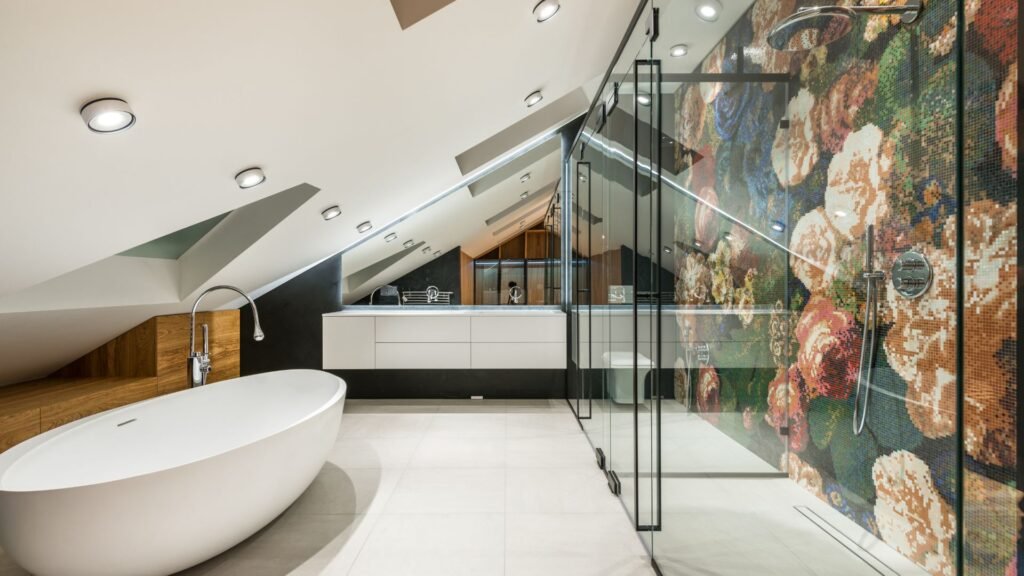
How To Choose A Good Tradie Or Renovation Company
Start by looking for licensed and experienced tradies or companies that specialize in bathroom renovations. Ask friends, family, or neighbours for recommendations, they’re often your most trusted sources. Check Google reviews, Facebook business pages, and sites like Builderscrack or NoCowboys to see real feedback from past clients.
Make sure your chosen contractor:
- Has experience specifically in bathroom work
- Can show you before-and-after photos or a portfolio
- Offers a written contract and clear pricing
- Is fully licensed and insured for plumbing, electrical, and waterproofing
Avoid choosing based on price alone. A lower quote might lead to cutting corners or poor workmanship, which often costs more to fix later.
Questions To Ask Before Hiring
Asking the right questions upfront helps avoid surprises later. Here are some essentials:
- How many bathroom renovations have you done?
- Can I see photos or speak to past clients?
- Will you manage the whole project or bring in subcontractors?
- Who will be my main point of contact?
- How do you handle changes or unexpected issues?
- Are you familiar with NZ Building Code and moisture control rules?
Make sure you feel comfortable with their answers. A good renovator should be transparent, knowledgeable, and easy to communicate with.
Importance Of Clear Quotes And Project Timelines
Get a written quote with a detailed breakdown, don’t rely on a rough estimate. It should include:
- Materials and fixtures
- Labour costs
- Plumbing and electrical work
- Waste removal and site cleanup
- Project management fees (if applicable)
- GST (always check if it’s included)
Ask for a timeline showing when each stage of the job will be completed. This helps you plan around any downtime and makes it easier to track progress.
Understanding The NZ Building Code And Waterproofing Rules
Bathroom renovations in New Zealand must meet the NZ Building Code, especially when it comes to waterproofing, drainage, and ventilation.
Key rules include:
- Waterproofing must be done by a certified professional
- Shower areas, floor-to-wall junctions, and splash zones must be sealed correctly
- Proper ventilation (like extractor fans) is required to reduce moisture and prevent mould
- Electrical work near water must follow strict safety standards
- Some renovations may require council consent, especially if plumbing is relocated
Don’t leave this to chance. Your contractor should understand these regulations and build to code. If they’re unsure or dismiss these rules, that’s a red flag.
Working with qualified professionals ensures your bathroom is safe, long-lasting, and compliant, something every NZ homeowner should prioritise.
Avoiding these common renovation mistakes can save you time, money, and frustration. Focus on getting the foundations right first, ventilation, plumbing, materials, and compliance. Once those are sorted, you can focus on the fun stuff like tiles, fixtures, and finishing touches. Your bathroom will not only look great, it’ll stand the test of time.
Before-And-After Examples (Optional Section)
Seeing real-life bathroom renovation projects can be one of the most helpful ways to plan your own upgrade. While design tips and product lists are useful, before-and-after examples show exactly how small changes, or complete overhauls, can transform a space. If you’re a New Zealand homeowner looking for bathroom renovation ideas that actually work, these practical case studies can offer inspiration grounded in real-world results.
Real NZ Bathroom Makeovers To Learn From
Here are a few types of renovation stories worth exploring, especially from local NZ blogs or renovation companies:
1950s Home In Auckland Gets A Modern Wet Room
This project involved removing a cramped tub and replacing it with a walk-in shower and frameless glass. Timber-look vinyl flooring and matte black tapware gave it a fresh, modern feel without moving plumbing lines.
Small Wellington Unit Adds Space With Smart Fixtures
A tight, dark bathroom became brighter by switching to a floating vanity, large mirror, and sliding door. The original floor tiles were kept, but everything else was updated to save costs.
Family Bathroom In Christchurch Goes From Dated To Durable
This renovation focused on function, with durable tiles, double basins, and improved ventilation. The bath was kept but surrounded with easy-to-clean wall panels for a clean look.
What Changed, What Stayed, What Worked
Use these questions to analyze any before-and-after renovation project:
- What layout changes were made, and why?
- Were plumbing fixtures moved or reused?
- Which materials were upgraded (tiles, cabinetry, lighting)?
- Did the renovation solve any functional issues like mould or poor lighting?
- What design elements created the most noticeable change?
These points help you understand not just what looks good, but why it works for real homes in New Zealand’s climate and housing styles.
Visual Aids Make A Big Difference
If you include this section in your blog or project guide, consider adding:
- Side-by-side photos of before and after
- Bullet points describing key changes
- Short captions explaining challenges or design choices
- Quotes from the homeowner or contractor
For example:
- Before: Small, outdated bathroom with beige tiles, old vanity, and poor lighting
- After: Floating timber vanity, LED mirror, bright white tiles, and improved airflow
transformation stories, especially from New Zealand, you build trust and authority with both your audience and search engines.
Looking for a reliable bathroom renovation partner in NZ? We offer practical solutions, honest advice, and clear pricing. Start with our homepage and get inspired.
FAQs: About Bathroom Renovation Ideas In NZ
What are the most popular bathroom renovation trends in NZ right now?
Current trends include walk-in showers, matte black tapware, timber vanities, natural textures, and minimalist, spa-inspired designs. Many NZ homeowners also focus on improved ventilation and water efficiency.
How much does a bathroom renovation cost in New Zealand?
Costs vary widely. A basic makeover might start around $5,000–$10,000, mid-range renovations typically range from $15,000–$25,000, and high-end remodels can exceed $30,000 depending on materials and labour.
Do I need council consent for a bathroom renovation in NZ?
Not always. If you’re making structural changes or moving plumbing fixtures, you’ll likely need consent. For cosmetic upgrades like painting or replacing fittings, it’s usually not required. Always check with your local council.
What are some small bathroom renovation ideas that work well in NZ homes?
Use wall-hung vanities, sliding doors, corner sinks, and large mirrors to save space. Choose light colours and glass panels to make the room feel more open.
What mistakes should I avoid when renovating a bathroom?
Common mistakes include poor ventilation, using the wrong materials for NZ’s humid climate, ignoring plumbing issues, and overspending on style without improving function.
Are there water-saving options I should consider?
Yes. Look for dual-flush toilets, low-flow taps and showerheads, and energy-efficient hot water systems. These options help save water and reduce utility costs over time.
How can I renovate a bathroom on a tight budget?
Focus on updates that make a visual impact without major plumbing changes. Swap out old tapware, repaint tiles, install a new vanity, or upgrade lighting and mirrors.
How long does a typical bathroom renovation take in NZ?
A simple update may take 1–2 weeks. Full renovations, especially those involving plumbing or council approvals, can take 3–6 weeks or more depending on availability of materials and contractors.
What are the best materials for NZ bathrooms?
Choose moisture-resistant materials like porcelain tiles, acrylic wall panels, treated timber, and water-resistant paints. These hold up well in NZ’s damp and coastal conditions.
Should I hire professionals or try DIY bathroom renovation?
DIY is fine for surface updates like painting or installing mirrors. For waterproofing, plumbing, and electrical work, it’s best to hire licensed NZ professionals to meet code requirements and avoid costly issues later.
Conclusion
Before you rip out tiles or order new fixtures, take time to map out a clear, realistic plan. Know what you want to achieve, whether it’s added comfort, better functionality, or a boost in resale value, and make sure every decision supports that goal. Stick to your budget and always allow a buffer for unexpected costs, because surprises do happen during renovations. Set a timeline and try to keep everything on track without rushing key stages like waterproofing or tile setting. Good communication with tradies is crucial, so make sure you’re available to answer questions, review progress, and solve issues as they come up. Lastly, be honest about your skill level. While small jobs like painting or replacing tapware can be DIY-friendly, bigger tasks like plumbing or electrical should always be left to licensed professionals in New Zealand. Making smart choices from the start can help you avoid delays, save money, and end up with a bathroom that truly works for your lifestyle.